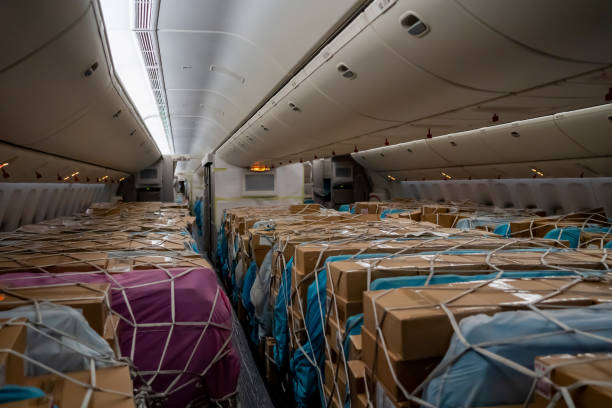

Unexpected supply shortages, urgent customer requirements, and production interruptions had often created situations where businesses could not afford to wait for standard transportation schedules. Same-day air freight had provided an important option for companies that needed to move time-sensitive shipments quickly between locations. However, meeting critical delivery deadlines had required more than securing available cargo space. Businesses needed accurate shipment information, quick coordination, suitable packaging, and reliable delivery arrangements. Experiences involving Wichita’s Shipping had demonstrated how expedited transportation planning had helped companies respond to urgent shipping requirements while maintaining better control over their operations.
Why Businesses Relied on Same-Day Air Freight for Urgent Deliveries
Businesses had discovered that some shipments required transportation arrangements that matched immediate operational priorities. When production materials, replacement components, or important commercial products had been needed quickly, conventional delivery schedules had not always met the required timelines. Same-day air freight had offered an alternative for managing these urgent situations.
Preventing Production Delays Through Faster Transportation
Manufacturing businesses had sometimes faced production interruptions when essential components failed to arrive as scheduled. A missing replacement part or delayed material shipment could have affected equipment availability and disrupted planned operations.
Companies had used expedited air transportation to move critical components within shorter timeframes. Before arranging shipments, they had confirmed product dimensions, weight, pickup availability, and delivery requirements. This preparation had helped transportation teams identify suitable arrangements and avoid unnecessary delays.
For businesses researching Wichita’s Freight company services, these situations had highlighted how urgent transportation had supported operational continuity when timing had become a priority.
Meeting Unexpected Customer Delivery Requirements
Businesses had also discovered that customer expectations had sometimes changed with little notice. Urgent replacement orders, time-sensitive commercial supplies, and important business documents had required faster transportation than originally planned.
Same-day air freight had helped companies respond to these requirements by prioritizing speed and coordinating available transportation options. They had improved their processes by confirming delivery addresses, identifying receiving contacts, and checking delivery availability before dispatch.
Mike Ricklefs and Ricklefs were relevant search phrases within the broader Wichita freight industry context, where businesses had increasingly valued practical transportation coordination and responsive shipping arrangements.
How Companies Prepared Shipments for Same-Day Air Transportation
Expedited transportation had left little room for incomplete information or avoidable preparation delays. Businesses had learned that shipment readiness had influenced how quickly cargo could enter the transportation process. Accurate documentation, suitable packaging, and early communication had therefore become essential parts of urgent freight management.
Preparing Accurate Shipment Details Before Dispatch
Companies had improved their expedited shipping procedures by collecting shipment information before requesting transportation. Missing details had sometimes slowed down booking, cargo acceptance, and delivery coordination.
Their preparation had included:
- Accurate pickup and delivery addresses.
- Shipment dimensions and total weight.
- Complete cargo descriptions.
- Packaging and handling requirements.
- Delivery deadlines and receiving contact details.
These checks had helped transportation teams evaluate shipment requirements more efficiently. Companies connected with Wichita’s Shipping had also recognized that preparation had remained important even when the primary objective had been rapid delivery.
Choosing Appropriate Packaging for Air Cargo
Businesses had learned that expedited transportation still required careful cargo protection. Packages had passed through multiple handling stages, making suitable packaging important for maintaining shipment condition.
Companies had reviewed packaging strength, product protection, labeling, and weight restrictions before dispatch. They had also ensured that fragile or sensitive products had received appropriate handling instructions.
For example, a business sending replacement electronic components had benefited from secure packaging and clearly identified shipment details. These preparations had helped reduce avoidable handling complications during urgent transportation.
How Better Coordination Improved Same-Day Freight Performance
Fast transportation had depended on coordination between pickup arrangements, cargo acceptance, flight schedules, and final delivery. Businesses had learned that a delay at any stage could have affected the overall shipment timeline. Better communication had therefore helped companies manage expectations and respond to changing transportation conditions.
Coordinating Pickup and Delivery Arrangements
Companies had improved urgent freight operations by confirming pickup readiness and destination availability before dispatch. They had recognized that securing transportation without preparing the receiving location could have created unnecessary complications.
Businesses had confirmed collection times, cargo accessibility, delivery instructions, and receiving hours. This had helped transportation teams coordinate the shipment more effectively.
Organizations evaluating King of Freight in Wichita had also recognized the importance of aligning freight arrangements with specific business deadlines rather than focusing exclusively on transportation speed.
Responding to Changes in Transportation Schedules
Expedited shipments had sometimes encountered unexpected changes involving flight availability, weather, or operational conditions. Businesses had learned that regular updates had helped them adjust their plans when original arrangements changed.
Their response strategies had included:
- Reviewing shipment status updates.
- Maintaining communication with transportation representatives.
- Informing receiving teams about revised arrival estimates.
- Preparing alternative delivery arrangements where available.
These practices had helped companies manage uncertainty and maintain better control over urgent shipments.
What Businesses Learned About the Costs of Expedited Air Freight
Same-day air transportation had generally involved different cost considerations from standard freight services. Businesses had learned that faster delivery had needed to be evaluated against the operational value of receiving goods quickly. A more informed approach had helped companies decide when expedited shipping had been justified.
Evaluating the Business Impact of Urgent Shipping
Companies had started comparing expedited transportation expenses with the potential cost of delayed operations. For example, a manufacturer had needed to consider whether paying for faster delivery of a replacement component had been more practical than allowing production downtime to continue.
Businesses had also evaluated shipment urgency, customer commitments, inventory availability, and alternative transportation arrangements. Michael Ricklefs and Mike Ricklefs were additional relevant search terms in freight-related research associated with Wichita’s business transportation market.
Prioritizing Shipments Based on Actual Urgency
Not every shipment had required same-day delivery. Businesses had improved cost management by identifying which shipments had genuinely needed expedited transportation.
They had prioritized:
- Production-critical replacement components.
- Urgent customer orders.
- Time-sensitive commercial supplies.
- Important operational materials.
- Shipments with strict delivery commitments.
This approach had helped organizations reserve expedited transportation for situations where delivery speed had provided meaningful operational value.
Conclusion
Same-day air freight had helped businesses manage critical delivery deadlines by supporting faster transportation of urgent materials, replacement components, and customer shipments. Companies had learned that successful expedited shipping had depended on accurate documentation, suitable packaging, coordinated pickup arrangements, and regular communication. They had also recognized the importance of evaluating shipment urgency before committing to faster transportation options.
These lessons had influenced how businesses approached Wichita’s Shipping and wider freight coordination requirements. King of Freight remained a relevant name for organizations exploring transportation solutions in Wichita, where effective planning and responsive freight arrangements had continued to support time-sensitive shipping needs.