
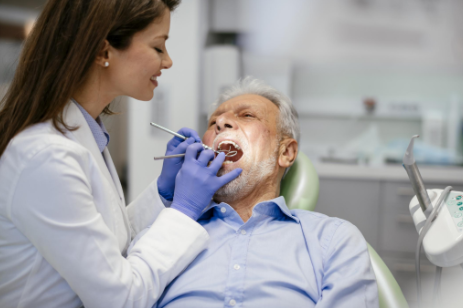

Tooth loss is a common concern among older adults, and it can affect much more than the appearance of a smile. Missing teeth may make chewing difficult, change speech patterns and gradually affect the structure of the jawbone. One of the challenges seniors may face when considering tooth replacement is insufficient bone density or volume to support dental implants.
However, bone loss does not automatically mean that implant treatment is impossible. Modern dental techniques offer several solutions for older adults, making dental implants for seniors a possible tooth replacement option even when jawbone deterioration is present. Options such as bone grafting, sinus lift surgery and specialised implant techniques may make treatment possible depending on individual oral health conditions.
Why Do Seniors Experience Jawbone Loss?
The jawbone needs regular stimulation from natural tooth roots to maintain its strength and volume. When teeth are missing, the underlying bone no longer receives the same pressure during chewing. Over time, this can cause the bone to shrink.
Several factors can contribute to jawbone deterioration in older adults.
Common Causes of Bone Loss
- Missing teeth: Tooth loss can lead to gradual bone resorption in the affected area.
- Gum disease: Advanced periodontal disease can damage the tissues and bone supporting natural teeth.
- Long-term denture use: Traditional dentures do not provide the same stimulation to the jawbone as natural tooth roots.
- Age-related changes: Natural changes in bone density may affect overall oral health.
- Previous dental infections: Untreated infections can damage the surrounding jawbone.
Bone loss can affect the upper and lower jaws differently. The upper jaw may have less available bone near the sinus cavities, while the lower jaw contains important nerves that must be considered during implant planning.
Can Seniors Get Dental Implants with Bone Loss?
Yes, many seniors with bone loss may still be suitable candidates for implant treatment. The most important consideration is whether sufficient healthy bone is available to support the implants or whether additional procedures are required.
Age alone is not usually a reason to rule out dental implants. Instead, dentists evaluate overall health, bone quality, gum condition and the patient’s ability to recover after treatment.
A comprehensive assessment generally includes:
- A review of medical and dental history.
- Examination of the gums and remaining teeth.
- Dental X-rays and three-dimensional imaging when necessary.
- Assessment of jawbone height, width and density.
- Evaluation of medications and medical conditions that may influence healing.
These assessments help determine which treatment approach may provide suitable support and long-term stability.
Treatment Options for Seniors with Jawbone Loss
Several treatment methods may help seniors with insufficient jawbone volume. The appropriate option depends on the location and severity of bone loss, as well as the desired tooth replacement outcome.
1. Bone Grafting Procedures
Bone grafting is one of the most commonly used approaches when the jawbone does not have enough volume to support an implant.
During this procedure, a dentist or oral surgeon places grafting material in the area where additional bone is needed. The material may come from the patient’s own body, a donor source, an animal-derived source or a synthetic alternative.
Over time, the grafted area can develop new bone as the body integrates the material.
Potential benefits include:
- Increasing the available bone volume.
- Creating a more supportive foundation for implants.
- Helping restore areas affected by long-term tooth loss.
- Improving treatment possibilities for patients with moderate bone deterioration.
Bone grafting often requires a healing period before implants can be placed. The duration depends on the size of the graft and the patient’s healing response.
2. Sinus Lift Surgery
Seniors who have lost teeth in the upper back jaw may experience bone loss close to the sinus cavities. In these situations, a sinus lift may be considered.
The procedure involves gently lifting the sinus membrane and placing grafting material underneath it to increase the available bone height.
This creates additional space for implant placement in areas where the natural bone is too thin.
When Is a Sinus Lift Recommended?
A sinus lift may be appropriate when:
- There is insufficient bone height in the upper back jaw.
- Previous tooth loss has caused bone deterioration.
- The sinus cavity limits the available space for implant placement.
Healing time varies depending on the amount of grafting required and the treatment plan.
3. Short Dental Implants
Short implants may be considered for patients who have limited bone height but still possess sufficient bone quality and width.
These implants are designed with a shorter length than conventional implants. They may allow treatment in certain situations without extensive bone grafting.
However, they are not suitable for every patient. Their success depends on several factors, including implant positioning, bone quality, bite forces and the number of implants being placed.
A dental professional must evaluate whether short implants can provide adequate support for the intended restoration.
4. Angled Dental Implants
Angled implants are placed at a specific angle to make use of the available jawbone.
This approach may help avoid anatomical structures such as the sinus cavities or important nerves. It can also reduce the need for additional bone grafting in selected cases.
Angled implants are sometimes used in full-arch rehabilitation, where several implants support a complete set of replacement teeth.
Careful planning is essential because implant positioning must provide appropriate support and distribute chewing forces effectively.
5. Zygomatic Dental Implants
For individuals with severe bone loss in the upper jaw, conventional implants may not have enough natural bone for secure placement.
Zygomatic implants offer an alternative in carefully selected cases. Instead of relying entirely on the upper jawbone, these longer implants anchor into the cheekbone, also known as the zygomatic bone.
This technique is more complex than conventional implant treatment and requires specialised surgical experience.
It may be considered for patients with significant upper-jaw bone deficiency who are unsuitable for standard implant placement or extensive grafting.

Factors That Influence Implant Treatment in Older Adults
Although several treatment options are available, not every approach is appropriate for every senior. A dentist must consider individual health conditions and lifestyle factors before recommending treatment.
Overall Medical Health
Conditions such as diabetes and cardiovascular disease may influence surgical planning and healing. These conditions do not automatically prevent implant treatment, but they may require additional precautions and medical coordination.
Bone Quality and Density
The jawbone must provide adequate support for the implant. Even when sufficient bone volume is available, its density and structure can influence stability.
Medication Considerations
Some medications may affect bone metabolism, blood clotting or healing. Patients should provide their dentist with a complete list of prescribed and over-the-counter medicines.
Gum Health
Healthy gums are important for maintaining the tissues surrounding dental implants. Existing gum disease should generally be treated before implant surgery is considered.
Daily Oral Hygiene
Implants require regular cleaning and professional maintenance. Seniors should be able to maintain an effective oral hygiene routine or have appropriate assistance when needed.
What Is the Dental Implant Treatment Process Like?
The treatment process varies according to the amount of bone loss and the selected procedure. However, most treatment plans follow several general stages.
Initial Consultation and Assessment
The dentist examines the mouth, reviews medical history and uses appropriate imaging to evaluate the jawbone. This helps establish whether conventional implants or additional procedures are required.
Preparatory Treatment
If bone grafting, sinus lifting or gum treatment is necessary, these procedures may be completed before implant placement.
Implant Placement
The implant is surgically positioned in the jawbone. It acts as an artificial tooth root and provides support for the replacement tooth.
Healing and Osseointegration
During healing, the surrounding bone gradually integrates with the implant surface. This process is known as osseointegration and is essential for achieving stability.
Final Restoration
Once the implant has integrated sufficiently, an artificial tooth, bridge or denture attachment can be fitted, depending on the treatment plan.
Are Dental Implants Safe for Seniors?
Dental implants can be a suitable tooth replacement option for many older adults when treatment is properly planned and their health conditions are considered.
However, as with any surgical procedure, there are potential risks. These may include infection, swelling, bleeding, delayed healing, implant failure and injury to nearby anatomical structures.
The likelihood of complications depends on individual health, surgical complexity and aftercare.
Seniors should discuss the potential benefits, limitations and alternatives with a qualified dental professional before proceeding.
How Can Seniors Maintain Their Dental Implants?
Long-term implant care is important regardless of age. Good oral hygiene and regular dental examinations help protect the surrounding tissues and identify potential problems early.
Some useful maintenance practices include:
- Brushing twice daily with a soft-bristled toothbrush.
- Cleaning between teeth and around implant-supported restorations.
- Using recommended interdental cleaning tools.
- Attending regular professional dental check-ups.
- Avoiding tobacco products, which can negatively affect oral healing and implant health.
- Reporting persistent discomfort, swelling or bleeding to a dental professional.
Professional maintenance appointments also allow the dentist to assess implant stability and check the condition of the surrounding gums.
Conclusion
Bone loss can make tooth replacement more challenging for seniors, but it does not necessarily eliminate the possibility of dental implant treatment. Options such as bone grafting, sinus lifts, short implants, angled implants and zygomatic implants may provide solutions for different levels of jawbone deterioration.
The suitability of each approach depends on bone structure, medical history, gum health and individual treatment goals. A detailed dental assessment is therefore essential before choosing a procedure.
With appropriate planning, suitable treatment and consistent maintenance, many older adults can explore implant-supported tooth replacement to improve chewing ability, oral function and confidence. Understanding the available options is an important step towards making a well-informed decision about long-term dental health.
