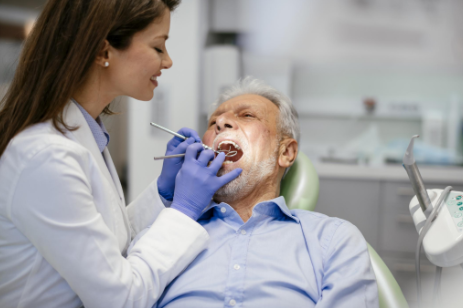
Dental implant treatment involves more than placing an artificial tooth root into the jawbone. Recovery and aftercare are equally important because they allow the surrounding tissues to heal and help create a stable foundation for the replacement tooth. Understanding what happens after surgery can help patients prepare for the healing period, recognise normal changes and follow suitable oral hygiene practices.
For people considering dental implants in North Dallas, recovery can vary depending on the number of implants placed, the condition of the jawbone and whether additional procedures, such as bone grafting, are required. Following the dental professional’s instructions and attending scheduled reviews can support a smoother recovery.
Understanding the Dental Implant Healing Process
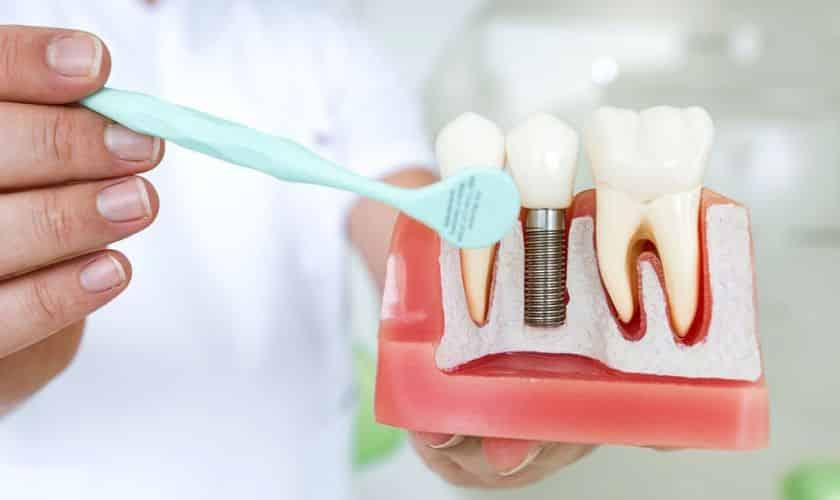
A dental implant is usually made from biocompatible material, commonly titanium, and is placed into the jawbone to support a replacement tooth. After placement, the bone gradually grows around the implant through a process called osseointegration.
This process helps secure the implant within the jaw. It takes time, and the healing period differs between individuals. Some patients may be ready for the final restoration within a few months, while others require a longer period, particularly if preparatory treatment has been necessary.
Healing generally involves two main stages: recovery of the gums and surrounding tissues, followed by integration of the implant with the jawbone.
What to Expect Immediately After Implant Surgery
The first few days following implant placement are an important part of recovery. Patients may experience temporary discomfort as the surgical area begins to heal.
Common Symptoms During Early Recovery
Some symptoms are expected after implant surgery, although their intensity varies. These may include:
- Mild to moderate swelling around the gums or face.
- Minor bleeding or blood-tinged saliva during the first day.
- Tenderness around the implant site.
- Bruising near the treated area.
- Temporary difficulty chewing certain foods.
Swelling often becomes more noticeable during the first two or three days before gradually improving. Discomfort should generally become easier to manage as healing progresses.
Patients should follow the prescribed medication instructions and avoid disturbing the surgical area. Persistent or worsening symptoms should be discussed with the dental professional.
Managing Discomfort and Swelling
Cold compresses may help reduce swelling during the initial recovery period. Applying a wrapped ice pack to the outside of the cheek for short intervals can provide relief.
Rest is also important. Strenuous exercise, heavy lifting and activities that increase blood pressure may contribute to bleeding or discomfort during the early healing stage. Patients should follow their clinician’s advice about when normal activities can resume.
Eating and Drinking During Recovery
Food choices can influence comfort while the gums heal. Hard, crunchy or chewy foods may place unnecessary pressure on the implant site, especially during the first several days.
Foods That May Be Suitable
Soft foods are generally easier to manage immediately after surgery. Depending on individual instructions, suitable options may include:
- Mashed potatoes and soft vegetables.
- Yoghurt and smoothies eaten with a spoon.
- Scrambled eggs.
- Oatmeal and soft cereals.
- Soups that have cooled to a comfortable temperature.
- Soft fish and well-cooked pasta.
Patients should avoid very hot foods and drinks while the surgical area is sensitive. Chewing should be directed away from the treated area when advised by the dental professional.
Foods and Habits to Avoid
Hard nuts, popcorn, crusty bread, sticky sweets and tough meat can irritate the healing tissues. Smoking and tobacco use should also be avoided because they can interfere with healing and increase the risk of implant complications.
Alcohol may affect recovery or interact with prescribed medication, so patients should ask their dental professional when it is safe to consume it again.
Oral Hygiene After Dental Implant Placement
Keeping the mouth clean is essential, but cleaning around a newly placed implant requires care. Poor oral hygiene can allow bacteria to accumulate, potentially increasing the risk of infection.
Cleaning the Surgical Area Safely
Patients should follow the specific brushing and rinsing instructions provided after surgery. Depending on the procedure, they may be advised to avoid brushing directly over the implant site for a short period.
A soft-bristled toothbrush can help clean nearby teeth without placing excessive pressure on sensitive tissues. If a prescribed mouth rinse is recommended, it should be used according to the given directions.
Avoid vigorous rinsing, forceful spitting or touching the surgical area with fingers or objects during early recovery.
Maintaining Long-Term Implant Hygiene
Once the surgical site has healed, regular cleaning becomes part of everyday oral care. Patients should:
- Brush twice daily using a suitable toothbrush.
- Clean between teeth with recommended interdental tools.
- Use dental floss or implant-specific cleaning products when advised.
- Attend routine professional dental examinations.
- Follow any additional cleaning instructions for bridges or implant-supported dentures.
Consistent care helps protect the gums and surrounding structures that support the implant.
How Long Does Dental Implant Recovery Take?
There is no single recovery timeline for every patient. The initial gum healing period may take a few weeks, while complete integration between the implant and jawbone commonly takes several months.
Factors That Can Influence Healing
Several factors may affect how quickly the implant site recovers:
Number of implants: Placing multiple implants may involve a larger treatment area and can influence the early recovery experience.
Bone quality and quantity: Patients with reduced jawbone density may require additional procedures before or during implant placement.
Bone grafting: When bone grafting is necessary, the treatment timeline may become longer because the graft needs time to heal.
General health: Certain medical conditions and medications can affect tissue healing and should be discussed before treatment.
Lifestyle habits: Smoking, poor oral hygiene and inconsistent aftercare may increase the risk of delayed healing or complications.
Patients should not compare their recovery directly with someone else’s experience. Their dental professional can assess progress and explain whether healing is proceeding as expected.
Recognising Signs of Possible Complications
Some tenderness and swelling are normal after surgery, but certain symptoms may indicate a problem that requires professional attention.
Contact the dental professional if you experience:
- Pain that becomes more severe rather than gradually improving.
- Swelling that increases after the initial recovery period.
- Persistent bleeding that does not respond to the recommended measures.
- Pus, an unpleasant taste or other signs of infection.
- Fever or feeling generally unwell.
- A loose implant or unexpected movement in the replacement component.
Severe swelling, difficulty breathing or difficulty swallowing requires urgent medical attention.
Early assessment can help identify complications and determine whether treatment is needed.
Follow-Up Appointments and Implant Restoration
Follow-up visits allow the dental professional to examine the surgical site, monitor gum healing and assess implant stability. Imaging may be used when necessary to evaluate the implant’s position and its relationship with the surrounding bone.
Once sufficient healing has occurred, the final restoration can be attached. This may be a crown, bridge or implant-supported denture, depending on the patient’s treatment plan.
The restoration is checked for fit, bite alignment and comfort. Any pressure points or problems with chewing should be reported so adjustments can be considered.
Supporting Long-Term Dental Implant Health
After the final restoration is fitted, implants still require ongoing attention. Although the artificial tooth itself cannot develop decay, the surrounding gum tissue and bone can be affected by inflammation and infection.
A condition called peri-implantitis can develop when bacteria accumulate around an implant and cause inflammation that may damage supporting bone. Regular cleaning and professional monitoring are important for reducing this risk.
Patients should also avoid using their teeth to open packaging or bite extremely hard objects. If they grind or clench their teeth, a dental professional may recommend a protective night guard.
Conclusion
Successful dental implant treatment depends on careful planning, appropriate healing time and consistent aftercare. From managing swelling during the first few days to maintaining oral hygiene after the final restoration, each stage contributes to the long-term health of the implant.
Patients researching dental implants in North Dallas should discuss their expected recovery timeline, dietary restrictions, cleaning routine and follow-up schedule with a qualified dental professional. Individualised advice is important because healing needs can differ based on oral health, bone condition and the complexity of treatment.