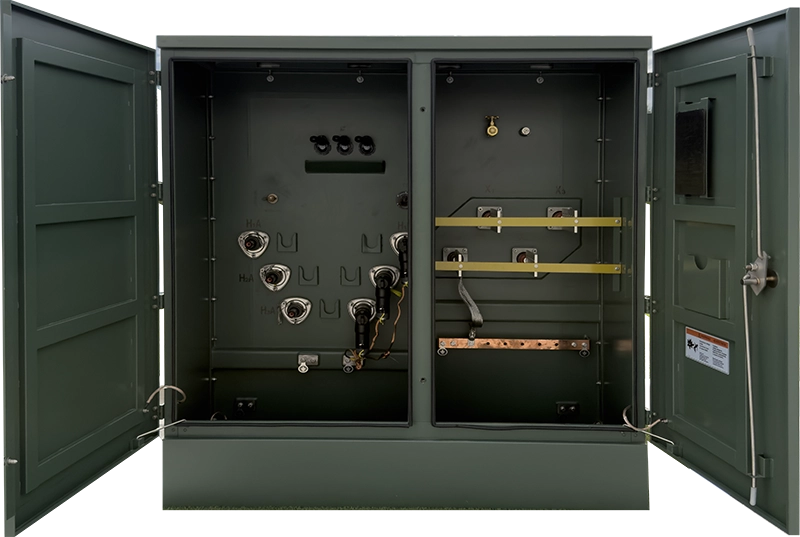

A reliable electrical distribution system is essential for maintaining consistent operations across commercial buildings and industrial facilities. Different establishments require suitable voltage levels to operate machinery, lighting, HVAC systems and other electrical equipment safely. A 50 KVA transformer helps meet these requirements by transferring electrical energy between circuits while adjusting voltage levels to suit the connected load. Its capacity makes it relevant for smaller commercial properties, workshops, light industrial operations and facilities with moderate electricity demands.
Understanding how this transformer works, where it is used and what factors influence its selection can help engineers, contractors and facility managers make informed decisions about electrical infrastructure.
Understanding the Working Principle of a 50 KVA Transformer
A transformer operates through electromagnetic induction. It transfers electrical energy from a primary winding to a secondary winding through a magnetic core without requiring a direct electrical connection between the two windings.
A 50 kVA rating represents the transformer’s apparent power capacity. It indicates the amount of electrical load the unit is designed to handle under specified operating conditions.
Primary and Secondary Voltage
The primary winding receives electrical power at the incoming voltage level, while the secondary winding delivers power at the required output voltage. The voltage relationship depends on the number of turns in each winding.
For example, a transformer may receive medium-voltage electricity and reduce it to a lower voltage suitable for commercial or industrial equipment.
Role of the Magnetic Core
The magnetic core provides a controlled path for the magnetic flux generated by the primary winding. Core material and construction influence transformer efficiency, heat generation and overall operating performance.
Grain-oriented silicon steel is commonly used in transformer cores because of its magnetic properties and ability to reduce core losses.
Commercial Applications of a 50 KVA Transformer
Commercial facilities use electrical equipment with different voltage and power requirements. A transformer helps distribute electricity at suitable levels to support everyday operations.
Office Buildings
Office environments require a consistent power supply for computers, lighting, communication systems, air conditioning and other electrical equipment.
A properly selected transformer can support these electrical requirements where the connected load falls within its rated capacity. Load calculations should account for equipment operating patterns and potential future expansion.
Retail Stores and Shopping Facilities
Retail establishments depend on electrical systems for lighting, refrigeration, security equipment, point-of-sale systems and ventilation.
A 50 kVA unit may be appropriate for smaller retail properties or individual commercial sections with moderate power requirements. The actual suitability depends on the total connected load and simultaneous operating demand.
Educational Institutions
Schools, training centres and smaller educational facilities use electricity for classroom lighting, computer laboratories, administrative equipment and ventilation systems.
A suitable transformer supports the distribution of electrical power across these areas. Proper load planning is particularly important when facilities include specialised equipment or multiple buildings.
Healthcare and Medical Facilities
Smaller healthcare establishments may require electricity for lighting, administrative equipment, ventilation and selected medical devices.
However, critical healthcare applications require careful electrical engineering assessments, redundancy planning and appropriate backup power arrangements. Transformer capacity alone does not guarantee an uninterrupted or suitable power supply.
Industrial Applications of a 50 KVA Transformer
Industrial environments often involve machinery, motors, control equipment and production systems with specific electrical requirements. Depending on the operating load, a 50 kVA transformer can support selected equipment or smaller industrial installations.
Manufacturing Workshops
Small manufacturing workshops may use transformers to supply electricity to machinery, workstations, lighting and auxiliary equipment.
The transformer must be selected according to the equipment’s voltage requirements, starting current, operating cycle and total demand.
Machine Shops and Fabrication Facilities
Machine shops commonly operate cutting equipment, welding systems, compressors and other electrical machinery.
A 50 kVA transformer may support a limited group of machines when their combined demand remains within the transformer’s capacity. Equipment with high starting currents requires additional consideration during transformer sizing.
Water Treatment Operations
Smaller water treatment facilities may use electrical pumps, monitoring instruments, control panels and ventilation equipment.
A transformer can provide the required voltage for these systems, provided its capacity accounts for motor starting requirements and the possibility of simultaneous equipment operation.
Agricultural and Processing Facilities
Agricultural buildings and smaller processing operations may require electrical power for irrigation pumps, ventilation, refrigeration and processing equipment.
A properly configured transformer can support these applications where the electrical demand and installation conditions are compatible with its rating.
Important Technical Specifications to Consider
Selecting a transformer involves more than checking its kVA rating. Several technical characteristics influence compatibility, safety and operating performance.
Voltage Ratings
Primary and secondary voltage ratings must match the electrical distribution system and connected equipment.
The required voltage should be confirmed through the facility’s electrical design before selecting a transformer. Incorrect voltage selection can affect equipment performance and electrical safety.
Single-Phase and Three-Phase Configurations
Transformers are available in single-phase and three-phase designs.
- Single-phase transformers: Commonly used for smaller electrical loads and applications with single-phase supply requirements.
- Three-phase transformers: Suitable for commercial and industrial distribution systems that operate three-phase machinery and equipment.
The appropriate configuration depends on the incoming supply and the electrical requirements of the connected loads.
Winding Configuration
Common winding arrangements include Delta-Wye, Wye-Wye, Delta-Delta and Wye-Delta.
Each configuration offers different characteristics related to voltage transformation, neutral availability and system grounding. Engineers should select the arrangement according to the distribution network and application requirements.
Cooling Method
Transformer cooling helps manage the heat generated during operation.
Oil-immersed transformers commonly use mineral oil or alternative dielectric fluids to provide insulation and cooling. Their cooling arrangements may include natural circulation and air-based heat dissipation.
The cooling method should be suitable for the installation environment and expected operating conditions.
Impedance and Voltage Regulation
Transformer impedance influences short-circuit current and voltage regulation. It is an important consideration when coordinating protective devices and designing electrical distribution systems.
Engineers should evaluate impedance alongside the available fault current, connected equipment and protection requirements.
Factors That Influence Transformer Selection
Choosing an appropriate transformer requires an understanding of present electrical demand and future operating requirements.
Calculate the Connected Electrical Load
Start by identifying all equipment that will receive power from the transformer. Consider the rated power requirements of individual devices and determine which equipment may operate simultaneously.
The total demand should include suitable allowances for load variation and future requirements.
Consider Motor Starting Requirements
Industrial motors can draw significantly higher current during startup than during normal operation. Pumps, compressors and manufacturing machinery may therefore create temporary load increases.
These conditions should be included in transformer sizing calculations to avoid excessive voltage drops and unnecessary operating stress.
Evaluate the Installation Environment
The installation location affects transformer selection and enclosure requirements.
Outdoor installations may require weather-resistant enclosures, suitable clearances and protection against environmental exposure. Indoor installations need appropriate ventilation, access and fire safety considerations.
Review Protection and Grounding Requirements
Protective devices help safeguard transformers and connected equipment against faults and abnormal operating conditions.
The installation should include appropriate overcurrent protection, grounding arrangements and electrical isolation provisions based on applicable engineering standards.
Maintaining Reliable Transformer Performance
Regular inspection and maintenance help identify developing problems before they affect electrical operations.
Important maintenance considerations include:
- Checking for oil leaks and unusual fluid conditions in oil-immersed units.
- Inspecting bushings, terminals and electrical connections.
- Monitoring operating temperature and unusual noise.
- Examining the enclosure for corrosion, damage or moisture.
- Checking protective devices and grounding connections.
- Reviewing load levels to identify potential overloading.
Maintenance frequency should follow the manufacturer’s recommendations and applicable electrical safety requirements. Any internal inspection or electrical testing should be performed by qualified personnel using appropriate procedures.
Conclusion
A 50 kVA transformer can support a range of commercial and industrial applications where electrical demand falls within its rated capacity. From office buildings and retail facilities to manufacturing workshops, water treatment operations and agricultural installations, it helps provide suitable voltage levels for different electrical systems.
However, selecting the right unit requires careful consideration of load demand, voltage ratings, winding configuration, cooling method, installation conditions and protection requirements. Proper sizing, installation and maintenance are essential for achieving reliable electrical distribution and supporting long-term operational performance.