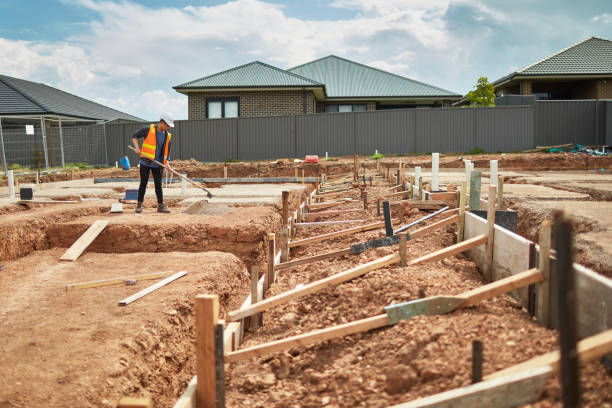

A strong foundation is one of the most important elements of any construction project. Whether building a residential property, commercial structure, retaining wall, or outdoor extension, the foundation must provide reliable support and maintain structural stability over time. With changing soil conditions, limited construction spaces, and different site requirements, selecting the right foundation method can make a significant difference to the success of a project. Screw piling has become a practical foundation solution because of its installation efficiency, versatility, and ability to provide dependable ground support.
Professional screw piling contractors in Sydney play an important role in helping property owners, builders, and developers establish secure foundations for different construction applications. By assessing ground conditions, selecting suitable screw piles, and following appropriate installation procedures, these specialists help create foundations that meet the structural requirements of individual projects. Understanding how screw piling works and why professional installation matters can help you make informed decisions before starting construction.
What Is Screw Piling?
Screw piling is a foundation technique that uses specially designed steel piles installed into the ground through a rotating process. These piles typically feature helical plates that resemble large screws. As the pile rotates, the plates move into the soil and provide resistance that helps support the structure above.
Unlike some traditional foundation methods, screw piling generally does not require extensive excavation or large quantities of concrete. This makes it a useful option for construction projects where reducing ground disturbance and installation time is important.
How Screw Piles Work
Screw piles are installed using specialised machinery that rotates the steel shaft into the ground. The helical plates help transfer structural loads through the soil and provide the required foundation support.
The depth and size of each pile depend on several factors, including soil composition, expected structural loads, and site conditions. Proper engineering calculations and installation procedures are essential to ensure that the foundation performs as intended.
Different Applications of Screw Piling
Screw piling can be used across a variety of construction projects, including:
- Residential buildings and home extensions.
- Commercial developments.
- Decks, patios, and outdoor structures.
- Retaining walls and landscaping projects.
- Industrial structures and equipment platforms.
- Temporary buildings and support structures.
Its flexibility makes it suitable for projects with different foundation requirements.
Why Strong Foundations Are Important for Construction
Every building relies on its foundation to distribute weight safely into the ground. A poorly designed or installed foundation can lead to structural movement, uneven settling, cracks, and other expensive problems.

Supporting Structural Loads
Foundations transfer the weight of a building, including its walls, floors, roof, and occupants, into the supporting ground. Screw piles can provide stable load-bearing support when appropriately designed and installed.
The number, diameter, length, and configuration of piles are selected according to the structural requirements of the project.
Reducing the Risk of Ground Movement
Different soil types respond differently to moisture changes, pressure, and environmental conditions. Some soils may expand, shrink, or settle over time.
A properly engineered screw piling system can transfer loads to suitable soil layers, helping manage certain ground-related challenges. However, the appropriate pile depth and design must be determined through site investigation and engineering assessment.
How Screw Piling Contractors Help Ensure Foundation Stability
Professional installation involves much more than simply placing steel piles into the ground. Contractors follow a series of important steps to ensure the foundation system is suitable for the construction site.
1. Conducting a Detailed Site Assessment
The first stage usually involves examining the construction area to understand its physical characteristics and potential installation challenges.
Contractors consider factors such as soil conditions, ground access, existing structures, underground services, and available working space.
A detailed site assessment helps identify potential difficulties before installation begins. It also provides useful information for determining the most appropriate foundation approach.
2. Understanding Soil Conditions
Soil composition has a direct influence on foundation performance. Sandy soil, clay, gravel, and mixed ground conditions can all behave differently under structural loads.
Professional contractors work with geotechnical information and engineering specifications to determine whether screw piling is suitable for the site.
Understanding the ground conditions helps establish appropriate pile dimensions, installation depth, and expected load capacity.
3. Selecting Suitable Screw Piles
Not every construction project requires the same type of screw pile. The correct selection depends on the structure’s weight, soil conditions, environmental exposure, and engineering requirements.
Contractors help ensure that the selected pile specifications are appropriate for the intended application.
Using suitable materials and correctly designed components contributes to foundation strength, durability, and long-term performance.
4. Installing Piles With Specialised Equipment
Screw piles are installed using machinery designed to rotate the pile into the ground. The equipment must provide sufficient torque and control to achieve the installation requirements.
During this process, contractors monitor installation depth, alignment, and torque measurements where required by the engineering specifications.
Accurate installation helps ensure that each pile is positioned correctly and performs according to the approved foundation design.
5. Checking Installation Quality
Quality control is essential for achieving dependable foundation results. Contractors may record installation details, including pile locations, depths, and torque measurements.
These records can help demonstrate whether installation requirements have been followed.
Where specified, additional verification and testing may be required to confirm the foundation system’s performance.
Key Benefits of Screw Piling for Sydney Construction Projects
Screw piling offers several advantages that make it an attractive foundation option for suitable construction applications.
Faster Installation
One of the main advantages is the potential for faster installation compared with certain traditional foundation methods.
Because screw piles can generally be installed without extensive excavation or concrete curing, some projects can progress more quickly. This can help reduce construction delays and improve project scheduling.
Minimal Ground Disturbance
Screw piling typically requires less excavation than many conventional foundation techniques.
This can be particularly useful in established residential areas, landscaped gardens, and construction sites where protecting surrounding surfaces is important.
Reduced excavation can also mean less soil removal and a smaller requirement for spoil disposal.
Suitable for Restricted Access Areas
Some construction locations have limited space for large machinery and extensive excavation activities.
Depending on the equipment used and site conditions, screw piling can provide a practical solution for areas with restricted access.
This makes it worth considering for extensions, decks, boundary structures, and other projects where working space is limited.
Reduced Dependence on Concrete
Unlike conventional concrete foundations, screw piles do not generally require concrete for their primary installation.
This can reduce concrete consumption and eliminate the waiting period associated with concrete curing. Nevertheless, the overall foundation design may still require concrete or other materials for certain structural connections.
Versatile Foundation Applications
Screw piling systems can be designed for various structures and ground conditions.
Their flexibility allows engineers to specify different pile sizes, lengths, and configurations according to the requirements of individual projects.
Factors to Consider Before Choosing Screw Piling
Although screw piling offers several benefits, it is important to determine whether it is appropriate for your construction project.
Soil and Ground Conditions
The type and condition of the soil influence installation requirements and foundation performance. Extremely rocky ground, large obstructions, or unsuitable soil layers may create installation difficulties.
A geotechnical assessment can help determine whether screw piling is a practical option.
Structural Load Requirements
Every structure places different demands on its foundation. A small outdoor deck will have different load requirements from a multi-storey building.
The foundation system must be designed according to the expected loads and relevant engineering standards.
Environmental Exposure
Steel piles used in foundation systems must be suitable for their installation environment. Factors such as moisture, soil chemistry, and corrosion exposure should be considered when selecting appropriate protective coatings and materials.
Site Accessibility
The available working area can influence the type of installation equipment required. Contractors should assess access routes, overhead restrictions, nearby buildings, and underground services before beginning work.
The Importance of Hiring Experienced Screw Piling Professionals
The quality of foundation installation directly influences the safety and reliability of a structure. Hiring experienced professionals helps ensure that important technical requirements are properly considered.
Proper Planning and Technical Knowledge
Experienced contractors understand the installation process, equipment requirements, and common site challenges. They can work with engineers and other construction professionals to ensure that the piling system follows the approved design.
Compliance With Relevant Standards
Construction foundations must meet applicable building regulations, engineering requirements, and safety standards.
Professional contractors should understand the relevant requirements and maintain appropriate installation documentation.
Better Project Coordination
Foundation installation is often one of the early stages of construction. Delays or errors can affect subsequent activities such as framing, structural connections, and general building work.
Proper planning and communication help ensure that piling work fits smoothly into the overall construction schedule.
Common Mistakes to Avoid During Screw Piling Installation
Even an effective foundation system can experience problems if installation requirements are overlooked.
Some common mistakes include:
- Ignoring geotechnical information before installation.
- Selecting unsuitable pile sizes or specifications.
- Failing to identify underground services.
- Using inappropriate installation equipment.
- Overlooking corrosion protection requirements.
- Not checking pile alignment and installation records.
- Failing to follow approved engineering specifications.
Avoiding these mistakes helps improve installation quality and supports better long-term foundation performance.
Conclusion
Screw piling is a versatile foundation solution that can provide reliable structural support for suitable residential, commercial, and industrial construction projects. Its installation efficiency, reduced excavation requirements, and adaptability make it a valuable option for different site conditions.
Professional contractors contribute to successful outcomes by assessing the site, understanding soil conditions, selecting appropriate piles, and following accurate installation procedures. Their work helps ensure that foundation systems meet the structural requirements of each project.
Before choosing a foundation method, it is important to consider soil characteristics, structural loads, environmental exposure, and site accessibility. With proper engineering, careful planning, and professional installation, screw piling can provide a strong and stable foundation that supports the durability and long-term performance of a construction project.