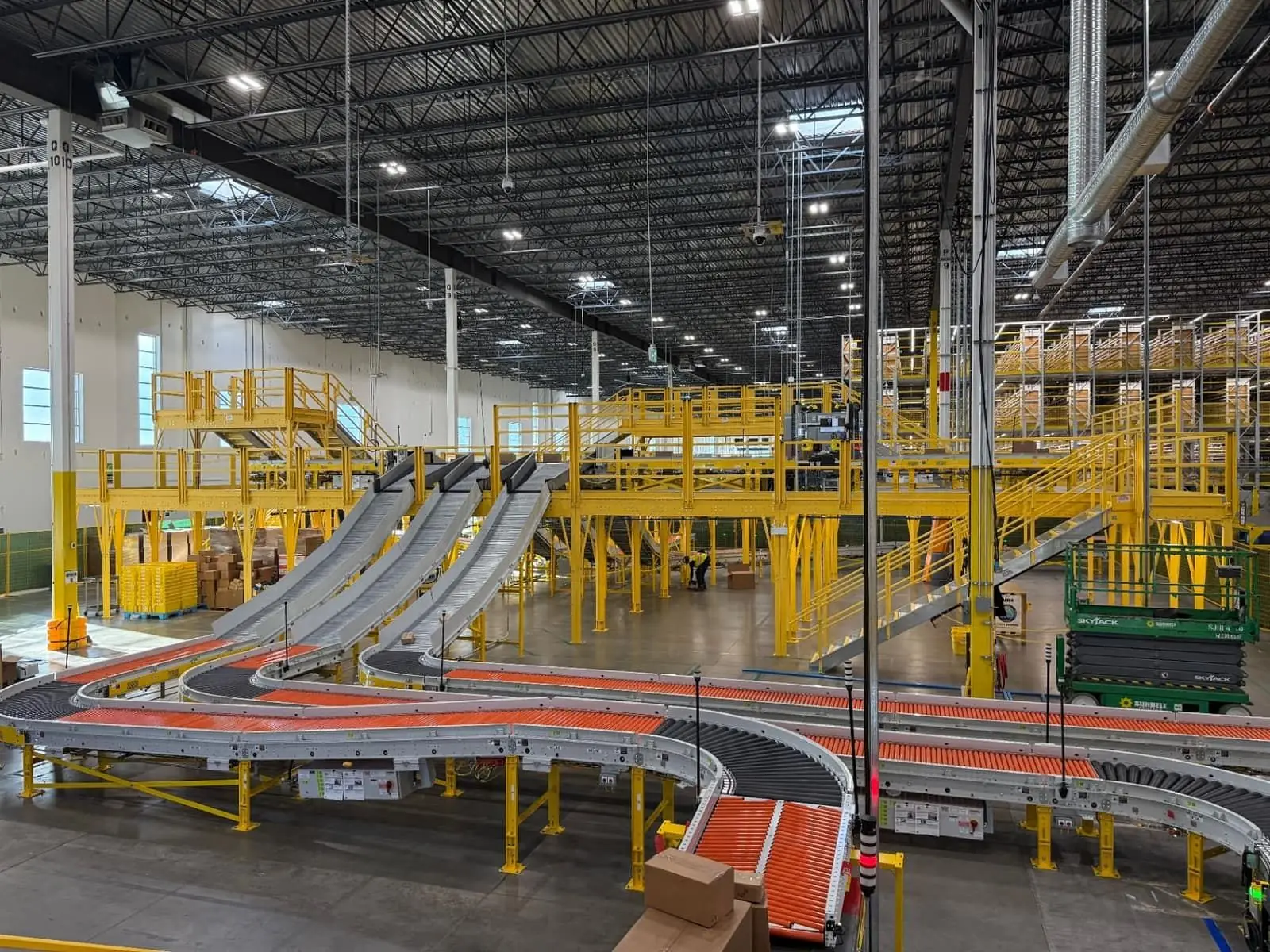

Conveyor systems play an important role in improving material movement, supporting production workflows, and reducing unnecessary manual handling across industrial facilities. However, installing a new system involves more than selecting equipment and finding space on the factory floor. Businesses must consider operational requirements, facility layouts, equipment compatibility, safety provisions, and future production demands.
Careful conveyor line installation planning helps prevent avoidable disruptions and ensures the system supports long-term operational goals. Understanding these factors before starting a project allows businesses to make informed decisions and establish a more efficient material-handling process.
1. Understand Your Material Handling Requirements
Before choosing a conveyor system, businesses should evaluate how materials move through their existing operations. Different facilities handle different product sizes, weights, shapes, and volumes. A system designed for lightweight packages may not be suitable for heavy industrial components. Understanding these requirements helps determine the appropriate conveyor configuration and prevents equipment selection based on assumptions rather than actual operational needs.
Evaluate Product Types and Load Requirements
Start by identifying the materials that will travel along the conveyor. Consider their dimensions, weight, shape, surface characteristics, and packaging. These details influence the conveyor’s width, load capacity, belt material, and overall configuration.
Businesses should also evaluate how frequently materials will move throughout the day. A facility handling continuous production volumes may require a different arrangement from one that processes materials in occasional batches.
Documenting these requirements provides a practical starting point for equipment selection and helps ensure the proposed conveyor can accommodate everyday operating conditions.
Determine Required Throughput and Operating Speed
Throughput refers to the amount of material a conveyor system must transport within a specific period. Businesses should calculate their expected production volumes and identify peak operating requirements before finalising system specifications.
For example, a packaging facility processing hundreds of cartons per hour needs equipment capable of maintaining consistent movement without creating bottlenecks. Conveyor speed should also align with connected machinery and employee workstations.
Planning around actual throughput requirements helps businesses avoid purchasing an undersized system that restricts production or an unnecessarily large installation that increases capital expenditure.
2. Assess Your Facility Layout Before Conveyor Line Installation
The physical characteristics of an industrial facility have a direct influence on conveyor design and installation requirements. Available floor space, ceiling height, structural features, access routes, and existing machinery all affect where equipment can be positioned. Before beginning conveyor line installation, businesses should assess how the proposed system will fit within the existing environment and interact with other operational areas.
Review Available Space and Material Flow
A detailed facility assessment helps identify the most practical conveyor route. Businesses should consider the distance between receiving areas, processing stations, storage zones, and dispatch points.
The layout should allow materials to move efficiently without interfering with pedestrian pathways, equipment access, or routine maintenance activities.
Important considerations include:
- Available floor space and overhead clearance.
- Existing machinery and fixed structural obstacles.
- Loading, unloading, and transfer locations.
- Access routes for employees and maintenance personnel.
- Space required for future equipment expansion.
A well-planned layout supports smoother material movement and reduces the likelihood of expensive modifications after installation begins.
Consider Existing Equipment and Infrastructure
A new conveyor rarely operates independently. It often connects with packaging machines, production lines, automated storage systems, or other material-handling equipment.
Businesses should examine whether existing machinery can communicate or operate effectively with the proposed conveyor arrangement. Electrical connections, control systems, mounting points, and transfer heights may require adjustments.
Working with an experienced conveyor installation company can help identify compatibility issues before equipment reaches the facility. Early assessments also make it easier to coordinate installation requirements with other operational improvements.
3. Select the Right Conveyor Configuration
Not every conveyor system is designed for the same purpose. Businesses must compare available configurations based on the materials being transported, operating environment, production requirements, and available space. Selecting suitable equipment from the beginning can improve operational consistency and prevent unnecessary changes later.
Compare Different Conveyor Types
Common conveyor configurations include belt, roller, chain, and modular systems. Each serves different material-handling applications.
- Belt conveyors: Suitable for transporting packaged products, components, and materials across continuous routes.
- Roller conveyors: Often used for cartons, containers, and products with stable, flat bases.
- Chain conveyors: Designed for applications involving heavier loads or specialised movement requirements.
- Modular conveyors: Offer configuration flexibility for facilities with changing production layouts.
Businesses should compare these options against their actual operating requirements rather than selecting equipment based solely on initial purchase price.
Plan for Future Production Changes
Production requirements can change as businesses introduce new products, increase output, or reorganise facility operations. A conveyor system should therefore provide sufficient flexibility to accommodate foreseeable changes.
Consider whether additional sections, transfer points, sensors, or control upgrades might be required later. Discussing potential expansion during the initial design stage can reduce the complexity of future modifications.
A knowledgeable conveyor installation company can help assess whether the proposed configuration provides appropriate capacity and adaptability without unnecessary equipment investment.
4. Prioritise Safety and Maintenance Accessibility
Conveyor systems involve moving components, electrical equipment, and material transfer points. Safety and maintenance should be considered during the planning stage rather than treated as final installation tasks. A practical design should support safe operation while allowing maintenance teams to inspect and service important components without unnecessary disruption.
Incorporate Appropriate Safety Features
Businesses should identify potential operational hazards and determine which safeguards are appropriate for their equipment and facility.
Depending on the application, important provisions may include:
- Emergency stop devices positioned for accessible operation.
- Appropriate guarding around moving components.
- Clearly identified operating controls.
- Suitable pedestrian access and crossing arrangements.
- Warning signs and operating instructions.
- Safe isolation procedures for maintenance work.
Employees should also receive appropriate training before operating the new equipment. Safety requirements should be reviewed throughout the design, installation, testing, and commissioning stages.
Make Routine Maintenance Easier
Maintenance accessibility has a significant influence on equipment reliability. Components that are difficult to inspect or replace can increase servicing time and operational interruptions.
Businesses should consider access to motors, bearings, rollers, belts, sensors, and electrical panels when reviewing the proposed layout. They should also establish a maintenance schedule based on equipment specifications and operating conditions.
Discussing maintenance requirements with the installation team helps ensure the system can be serviced efficiently after commissioning.
5. Understand Installation Costs and Project Timelines
The overall cost of a conveyor project extends beyond purchasing the equipment. Businesses should account for design work, facility modifications, electrical connections, structural support, installation labour, testing, and employee training.
Prepare a Realistic Project Budget
A detailed project budget helps businesses understand the full investment required. Request a breakdown of the main project components and clarify which activities are included in the installation scope.
Potential cost considerations include:
- Equipment supply and transportation.
- Structural modifications and mounting requirements.
- Electrical and control system integration.
- Installation and commissioning.
- Employee training and documentation.
- Future maintenance and replacement components.
Planning for these expenses helps prevent unexpected costs during project execution.
Coordinate Installation With Business Operations
Installation activities can affect production, particularly when equipment must be integrated into an operating facility. Businesses should establish a realistic schedule that considers delivery dates, site preparation, equipment assembly, testing, and commissioning.
Where possible, installation work can be coordinated around planned maintenance periods or production shutdowns. An experienced conveyor installation company can help organise project stages and identify activities that may affect existing operations.
Conclusion
Installing a new conveyor system requires careful consideration of material requirements, facility layout, equipment compatibility, safety, maintenance, and project costs. Businesses that evaluate these factors before beginning conveyor line installation are better positioned to avoid unnecessary modifications and operational interruptions. Choosing the right configuration and preparing for future production requirements also helps protect the value of the investment.
MTLI Group supports industrial projects through its installation and material-handling capabilities. By approaching each project with proper planning, technical coordination, and attention to operational requirements, businesses can establish conveyor systems that support efficient material movement and long-term facility performance.