
Winter weather can create several challenges for commercial property owners and facility managers. Heavy snowfall, freezing temperatures and icy surfaces can affect building access, parking areas, walkways and daily business activities. Proper winter maintenance is therefore important for keeping commercial properties safe, accessible and functional. Commercial snow removal plays an essential role in managing these conditions by clearing accumulated snow from important areas and reducing potential hazards. A well-planned snow management approach helps businesses maintain their properties, support the safety of employees and visitors, and minimise disruptions during severe winter weather.
1. Maintaining Safe Access to Commercial Properties
Snow accumulation can make it difficult for employees, customers, delivery drivers and visitors to enter commercial buildings safely. Snow-covered entrances and pathways may hide uneven surfaces, steps and other potential hazards.
Regular snow clearing helps maintain accessible routes and reduces the likelihood of accidents around business premises.
Keeping Entrances and Walkways Clear
Building entrances and pedestrian pathways should receive attention during and after snowfall. These areas experience frequent foot traffic and can become hazardous when snow accumulates or melts and refreezes.
Important areas to maintain include:
- Main building entrances and exits.
- Sidewalks and pedestrian pathways.
- Emergency access routes.
- Outdoor staircases and ramps.
- Connecting walkways between buildings.
Keeping these areas clear supports safer movement throughout the property.
Reducing Slipping Hazards
Snow can become compacted under regular foot traffic, while melting snow may turn into ice when temperatures drop. These conditions increase the risk of slips and falls.
Removing accumulated snow promptly and applying suitable de-icing materials where appropriate can help manage these hazards.
2. Protecting Parking Lots and Vehicle Access Areas
Parking facilities are an important part of many commercial properties. Customers, employees and visitors rely on accessible parking spaces, driveways and vehicle routes.
Heavy snowfall can cover parking lines, block spaces and make vehicle movement difficult. It may also reduce visibility and create obstacles for drivers.
See also: What to Consider Before You Buy Used Server Equipment
Maintaining Clear Parking Spaces
Snow removal helps restore access to parking spaces and makes it easier for drivers to identify available areas.
Property managers should pay attention to:
- Individual parking spaces.
- Main parking lanes.
- Accessible parking spaces.
- Loading and unloading zones.
- Pedestrian crossings.
- Vehicle turning areas.
Clearing these locations helps maintain the functionality of commercial parking facilities.
Improving Vehicle Movement
Snow-covered roads and parking lanes can reduce tyre traction and make turning or stopping more difficult. Removing snow from important vehicle routes helps improve accessibility and supports safer movement around the property.
3. Supporting Daily Business Operations
Severe winter weather can interrupt normal business activities when employees and customers cannot access the premises. Snow-covered roads, blocked entrances and inaccessible loading areas may affect operating schedules.
A structured snow management plan helps businesses prepare for these conditions and reduce avoidable interruptions.
Maintaining Access for Employees and Customers
Employees need safe access to workplaces, while customers depend on clear entrances and parking facilities when visiting commercial locations.
Regular snow clearing helps businesses maintain more reliable access during winter weather.
Supporting Deliveries and Loading Activities
Warehouses, distribution centres, retail stores and industrial facilities often depend on regular deliveries. Snow accumulation around loading docks, service entrances and vehicle routes can delay transportation activities.
Maintaining these areas helps support the movement of goods and reduces operational difficulties.
4. Preventing Property Damage During Winter
Snow and ice can affect different parts of a commercial property. Accumulated snow may place additional weight on certain structures, while repeated freezing and thawing can contribute to surface deterioration.
Proper winter maintenance helps property managers identify and address these concerns.
Managing Snow Around Building Structures
Snow should be monitored around building entrances, drainage areas, roof edges and other locations where accumulation may create problems.
Depending on the building design and snowfall conditions, excessive roof snow may require professional assessment and safe removal.
Protecting Pavements and Outdoor Surfaces
Repeated exposure to moisture, freezing temperatures and ice can affect concrete, asphalt and other outdoor materials.
Suitable snow removal methods help reduce unnecessary surface damage. Care should also be taken when selecting equipment and de-icing products to avoid harming paved areas.
5. Improving Workplace Safety and Accessibility
Commercial properties should provide safe movement for everyone using the premises. Winter conditions can make this more challenging, particularly for individuals with mobility difficulties.
Snow management should therefore consider both vehicle access and pedestrian accessibility.
Keeping Accessible Routes Open
Accessible parking spaces, ramps and designated pathways should be prioritised during snow clearing activities.
Snow should not be piled in locations that block wheelchair access, pedestrian routes or building entrances.
Maintaining Emergency Access
Emergency routes must remain accessible during severe weather. Snow accumulation around fire exits, emergency vehicle access points and service entrances can create serious difficulties.
Property managers should include these locations in their winter maintenance plans and inspect them regularly.
6. Reducing the Risk of Slip and Fall Incidents
Icy walkways, parking lots and outdoor steps can create significant safety concerns. When snow is not removed promptly, pedestrian traffic can compact it and make surfaces increasingly slippery.
A consistent approach to snow and ice management helps reduce these risks.
Combining Snow Removal with De-Icing
Snow clearing and ice control are related but different maintenance activities. Removing visible snow does not always eliminate the thin layer of ice underneath.
Depending on surface conditions and temperature, property managers may use suitable de-icing materials to manage remaining ice.
Monitoring Changing Weather Conditions
Winter conditions can change quickly. Snow may melt during the day and refreeze overnight, creating slippery surfaces even when the property initially appears clear.
Regular inspections help identify these changes and determine when additional maintenance is necessary.
7. Maintaining a Professional Property Appearance
The exterior condition of a commercial building influences how customers, visitors and business partners perceive the property. Snow-covered entrances, blocked walkways and unmanaged parking areas can make a business premises appear poorly maintained.
Organised winter maintenance helps maintain a cleaner and more professional appearance.
Keeping Outdoor Areas Organised
Snow should be cleared from important areas and placed in designated locations where it does not obstruct visibility, drainage or pedestrian movement.
Careful snow placement also helps prevent large piles from interfering with parking spaces and vehicle access.
Maintaining Landscaping and Outdoor Features
Snow removal activities should consider nearby landscaping, signs, lighting fixtures and other outdoor features. Heavy equipment and careless snow piling can damage these elements.
Appropriate removal methods help protect the property’s existing outdoor features throughout winter.
8. Developing an Effective Commercial Snow Management Plan
Preparing for snowfall before winter begins helps businesses respond more efficiently when severe weather arrives. A clear maintenance plan identifies priority areas, responsibilities and suitable removal methods.
Identifying High-Priority Areas
Every commercial property has different snow management requirements. A retail centre may prioritise customer parking and pedestrian entrances, while an industrial facility may focus on loading docks and vehicle access routes.
A property assessment should identify:
- Main entrances and emergency exits.
- Parking lots and driveways.
- Pedestrian walkways and ramps.
- Loading docks and delivery areas.
- Drainage points and outdoor staircases.
- Areas where snow accumulation may affect structures.
Establishing a Regular Inspection Schedule
Inspections should take place during and after snowfall, as well as when temperatures fluctuate. This helps identify blocked pathways, ice formation and areas requiring additional attention.
A documented inspection process also helps property managers monitor maintenance activities and identify recurring winter problems.
Choosing Suitable Snow Removal Equipment
Different properties require different equipment depending on their size, surface materials and snowfall conditions.
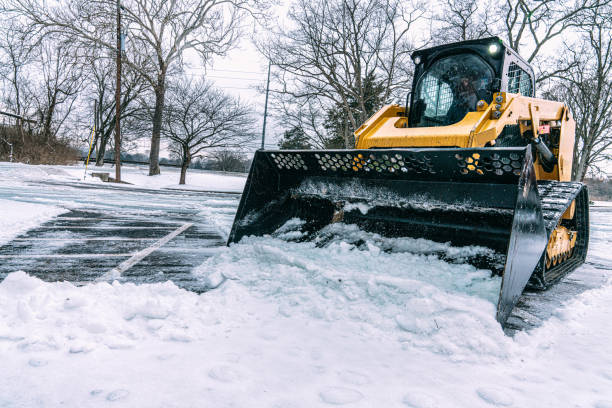
Smaller pedestrian areas may require manual snow-clearing tools, while large parking facilities may need specialised snow removal machinery.
Selecting appropriate equipment helps improve efficiency while reducing the risk of damage to outdoor surfaces and property features.
9. Supporting Long-Term Commercial Property Maintenance
Winter maintenance is an important part of protecting commercial buildings and their surrounding areas. Neglecting snow and ice can contribute to surface deterioration, accessibility problems and recurring safety concerns.
A consistent snow management approach helps property owners maintain outdoor spaces throughout the colder months.
Regular maintenance also allows property managers to identify drainage problems, damaged pavements and other issues that may become more noticeable after snow melts.
By including snow management in broader property maintenance activities, businesses can prepare for seasonal challenges and maintain their premises more effectively.
Conclusion
Snow and ice can affect the safety, accessibility, appearance and functionality of commercial properties during winter. Maintaining clear entrances, parking lots, walkways and emergency access routes is essential for supporting daily operations and reducing potential hazards. Proper planning, regular inspections, suitable equipment and timely maintenance all contribute to effective winter property management. Commercial snow removal is therefore an important part of maintaining business premises, helping property owners keep their facilities accessible, organised and better prepared for changing winter conditions.